Skiing in Méribel: A Beginner’s Guide
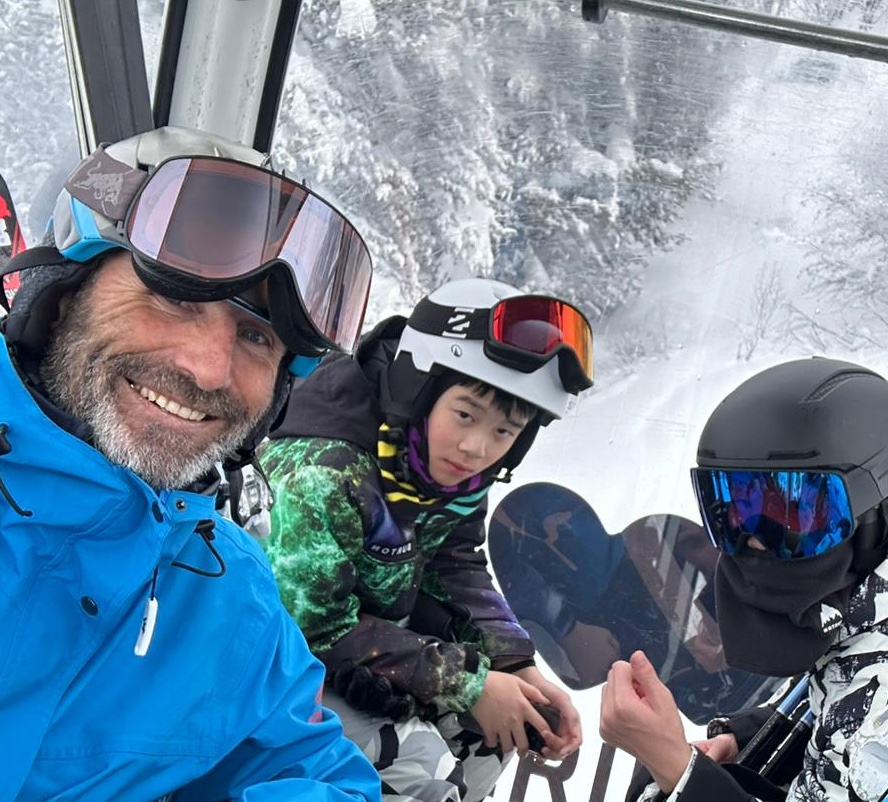
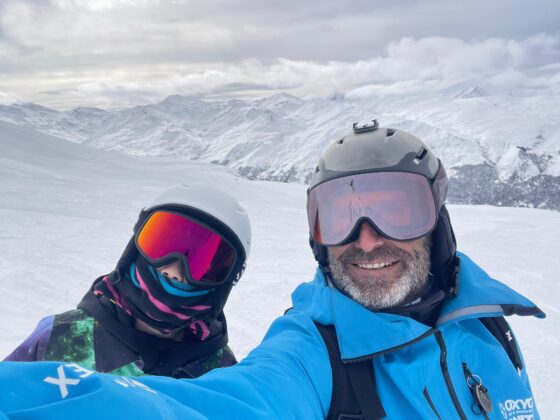
We spoke to Patrick Lecomte of Oxygène Ski & Snowboard School, who has been teaching in Méribel for over 30 years, about the small shifts that make the biggest difference on the slopes.
There is a version of a ski holiday where everything clicks. The snow is good, the legs hold, and each run ends with a quiet sense of progress.
Then there is the version most people actually have. Tight quads by day two. The feeling that everyone else is moving more easily. Patrick has seen both, again and again. This is what he recommends.
The one shift that makes a difference
“Relax.”
Many skiers carry tension without realising it. On the slopes, that often shows up as stiff legs, shorter turns and less control rather than more. Patrick’s approach is to shift how people experience the mountain. Recently, he told beginners to imagine the snow garden as a golf course in summer. The terrain didn’t change, but their response to it did. They relaxed, moved more naturally and skied with greater ease.
How long does it take to feel in control?
There is no fixed timeline. For some, confidence comes within an hour. For others, it may take a few days. As Patrick explains, it depends on trust – trust in your skis, your balance and how your body moves. Once that develops, everything starts to fall into place.
Private or group lessons?
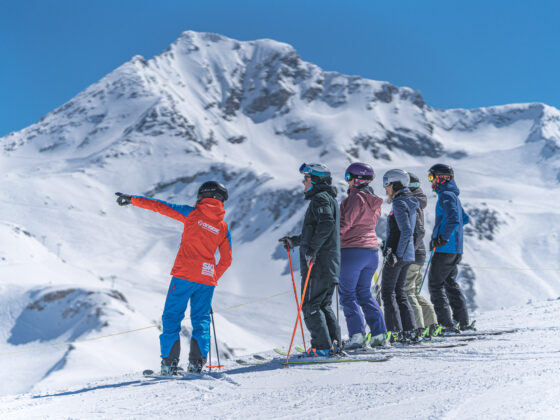
Private lessons offer more one-to-one time with an instructor, so progress is often quicker. Group lessons, however, can feel more relaxed. For some people, learning alongside others removes pressure and makes the experience more enjoyable. The right format depends entirely on the individual.
Skiing or snowboarding?
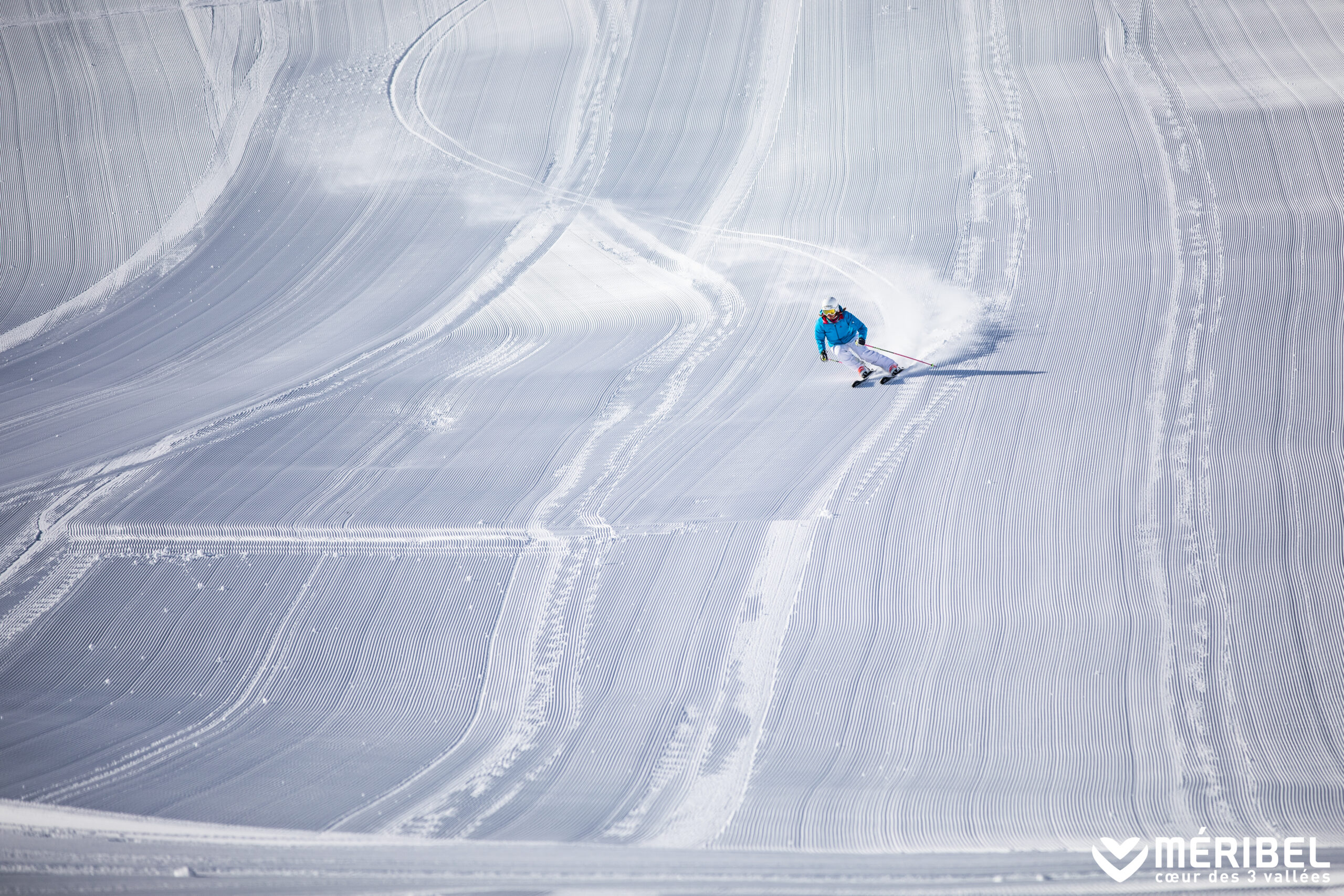
Skiing is generally easier to pick up at the beginning, as you can control your speed with a snowplough. Snowboarding can take longer to get used to, but once techniques like side slipping are mastered, it becomes much easier to move confidently across the mountain. Previous experience also plays a role. Those with a background in surfing or skating may find snowboarding more intuitive.
The equipment detail most people overlook
Boots, skis and overall setup can all influence how you move. Patrick recommends ensuring equipment is well maintained and properly suited to you. The same thinking applies to what you wear. His instructors rely on technical layers from Scott Sports for warmth and performance, along with gloves from Hestra. For those who feel the cold, he recommends mittens over gloves. If something doesn’t feel right, it is worth revisiting and adjusting until it does.
The role fitness plays in skiing well
General fitness helps, particularly lower body strength and cardio. Ski instructors and racers often focus on exercises such as squats and lunges, alongside overall conditioning. Core strength is also important for stability. However, Patrick notes that people often overestimate their fitness and attempt runs that are too challenging, which can lead to injury.
What every first-time visitor should do
“Take lessons with me,” Patrick jokes.
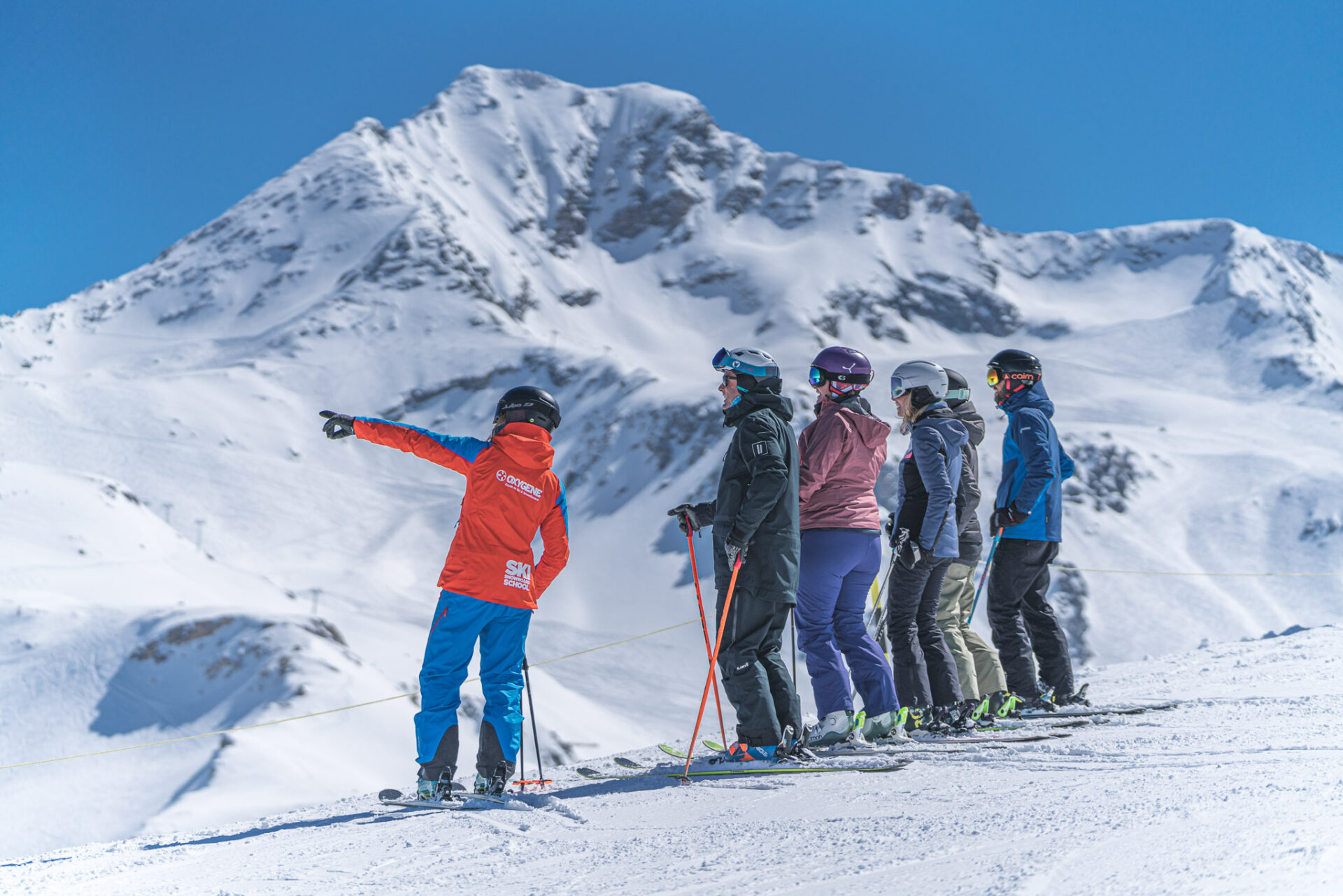
More seriously, he recommends taking lessons with a professional instructor, whether you are a beginner or more experienced. It builds confidence early and allows you to make the most of your time on the mountain. In a resort the size of the Three Valleys, local knowledge makes a real difference — from finding the best snow to navigating lift queues.
Three principles to keep in mind
- Prepare your body before you arrive, with a focus on strong legs and core stability.
- Make sure your equipment is well maintained and suited to you.
- Respect the mountain, understand your limits and follow the skier’s code — a set of simple rules designed to keep everyone safe on the slopes.
You can read the full guidelines via the International Ski Federation or through Méribel’s local safety guidance.
Your concierge at Consensio can arrange lessons with Oxygène Ski & Snowboard School ahead of your arrival, so your first day on the mountain begins with confidence.