


What to pack for a ski season in the French Alps
A useful guide for seasonaires
Preparing for a ski season in the Alps involves more than packing for a holiday. With the season typically running from November to April, it’s worth planning ahead for everything from paperwork and winter clothing to the everyday essentials that make life in resort easier. Whether you’re preparing for your first season or returning for another, this guide covers what to organise before you leave, what to bring from home and how to arrive ready for the winter ahead.

The paperwork that matters more than the kit
Get the eligibility sorted early and the run-up to the season becomes something to look forward to, rather than a list of documents to chase. Working with Consensio for a winter season currently requires an EU passport or a French Carte de Séjour, and right-to-work confirmation comes before anything else gets planned. A full, valid driving licence held for at least two years is required across every role, not only driving positions, since the season includes winter driving training and the odd shift covering errands. Passport validity needs six months left from your return date, not your arrival date, which is easy to miscalculate on a five-month contract.
Renew any repeat prescriptions before you leave. Finding a French pharmacy that stocks your exact brand mid-season is far more hassle than sorting it at home, and the same goes for a spare pair of glasses or a backup supply of contact lenses. Travel insurance that covers a working season, not a holiday, matters just as much as any of it.
Ski equipment and uniform
A lift pass comes with our Consensio employment package. Ski equipment is separate, and there is no need to commit to buying your own skis or snowboard before arriving. Many of our suppliers offer discounted rates to employees, making rental a practical way to try different equipment and discover whether skiing or snowboarding is right for you before investing in your own.
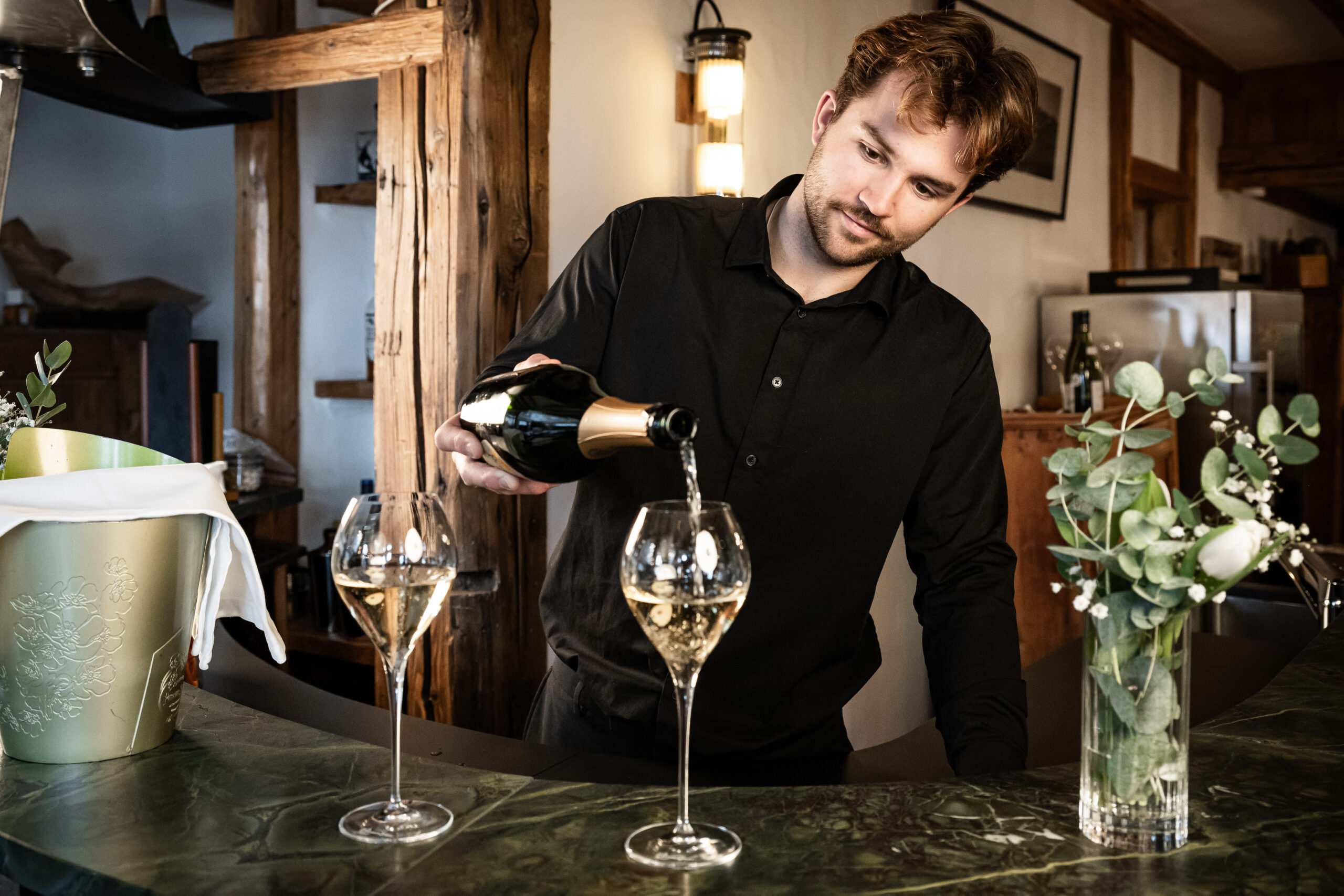
You will receive our uniform guidelines before arriving at the resort, and our HR team is on hand to answer any questions when choosing your uniform items. A black outdoor jacket is provided as part of the uniform.
Settling into resort life
Towels, linen and a cleaning pack are provided in staff accommodation from day one, and most accommodation has its own laundry facilities. Where it doesn’t, the chalet’s machines are available, and it’s worth checking with the chalet manager for the quietest time in the week to use them.
A separate, sturdy pair of indoor shoes keeps melting snow from becoming a daily problem in shared living spaces, and a basic repair kit, blister plasters, painkillers, enough sense to fix a boot buckle without waiting for a day off, earns its place fast.
A season is about building a life in resort, not simply finding somewhere to sleep between shifts. Make the most of your two days off, find a book you can return to, schedule regular calls home and build a routine that feels like your own, beyond the property. The people who settle into a season fastest tend to be the ones who’ve thought about this before they arrive, not after.
The small things that make the biggest difference
Two travel adaptors, not one, plus a short extension lead: shared accommodation means shared sockets, and mornings run smoother when nobody’s queuing for a plug before an early shift. A universal sink plug is a small, oddly common gap in French staff accommodation, worth packing rather than discovering the hard way. Slippers make a difference around shared accommodation. Ear plugs and an eye mask cover both a shared room and the long, bright mornings once the clocks change.
A power bank, charged before you travel, and a reusable water bottle both matter more day to day than most people expect. A head torch earns its place too, for the walk to or from work before sunrise or after dark on roads that aren’t always lit.
Bring euros rather than relying on finding a cash machine on day one, and set up a bank card with no foreign transaction fees before you go, not mid-season. Keep a photocopy or a phone photo of your passport and insurance documents somewhere separate from the originals. A sturdy daypack or rucksack earns its keep carrying kit between accommodation and chalet. A travel pillow makes the outbound journey more bearable, and a hot water bottle is one of the most recommended items by anyone who’s spent a season in shared accommodation.
The personal touches matter too. A Kindle solves the weight problem of packing books for five months. Printed photos of friends and family do something a phone screen doesn’t, especially on the harder days early in the season, before the team starts to feel like home. Straighteners or a hairdryer are worth bringing if you use them daily, with the adaptor situation above in mind. And if you’re particular about your tea or coffee, it’s worth packing a stash from home rather than hoping the local options match up.
None of this is dramatic. It’s the kind of detail that only comes from people who’ve actually done it, which is exactly why it’s worth passing on.

Make the most of every moment
A season in the French Alps can be one of the most rewarding experiences you’ll have. It’s an opportunity to develop new skills, build confidence, strengthen your CV and meet people who could become friends for life. There will be challenges along the way, but some of the best memories come from the moments you least expect, both on and off the mountain. So make the most of your days off, say yes to new experiences, embrace resort life and take in everything the season has to offer. Before you know it, winter will be over, and you’ll be glad you made the most of every moment.
Season prep checklist
For our chefs, hosts and drivers, packing well isn’t about looking the part. It’s a small mark of taking the craft seriously. A season is where technique sharpens, service instincts develop, and people who set out for one winter often find themselves planning the next. The teams who prepare well tend to be the ones who get the most out of it.
A quick run-through once you’ve read the above, grouped so it’s genuinely useful rather than a wall of ticks.
Documents and money
- EU passport or Carte de Séjour confirmed, passport valid six months past your return date
- Full driving licence held for two years or more
- Repeat prescriptions renewed, spare glasses or contact lenses packed if you wear them
- Insurance for a working season, not just a holiday
- Euros in cash for your first couple of days
- Photocopies or phone photos of your passport and insurance, kept separately from the originals
- A bank card with no foreign transaction fees
Ski clothing and equipment
- Ski or snowboard equipment, if you plan to participate in your own time
- Ski clothing and thermals, if needed for your own activities
- Check available supplier discounts before renting or buying equipment
Staff accommodation essentials
- Two travel adaptors and a short extension lead
- A universal sink plug
- Slippers and flip-flops for shared bathrooms
- A hot water bottle
- A head torch for early or late walks to work
Everyday essentials
- Ear plugs and an eye mask
- A power bank, charged before you leave, and a reusable water bottle
- First aid kit
- A Kindle or a couple of physical books
- A travel pillow for the journey out
- A daypack or rucksack for kit between accommodation and chalet
- Printed photos of friends and family
- Straighteners or a hairdryer, if you use them daily